
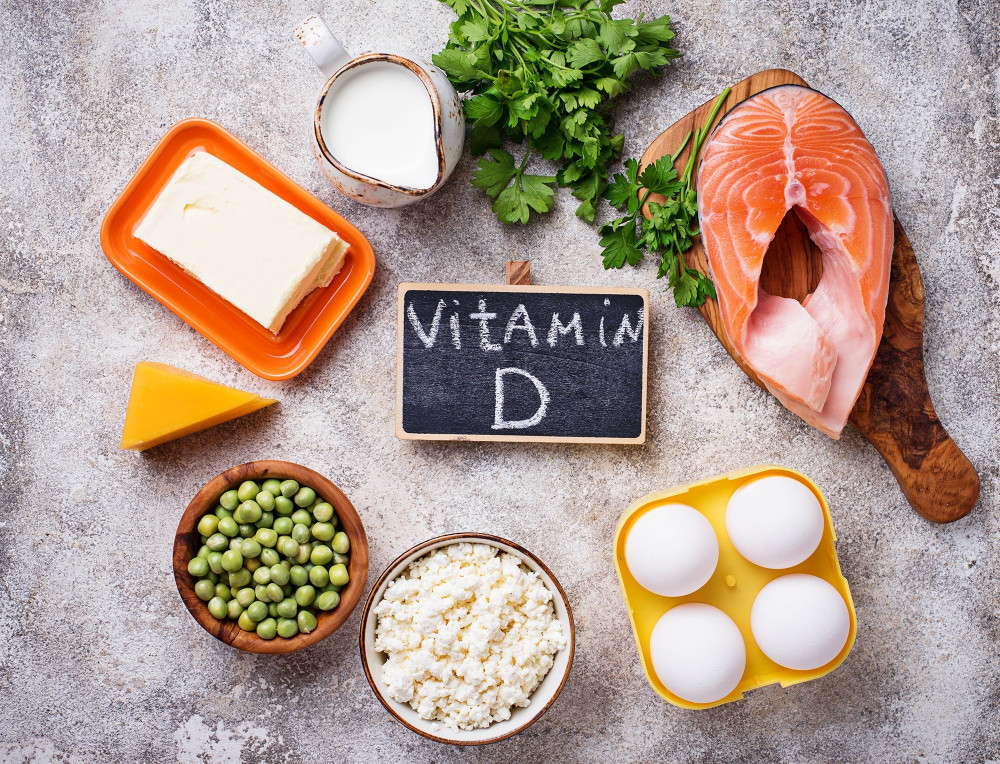
Vitamin D is one of the most popular vitamins that has attracted attention in the past years. This vitamin is important for bone health, as it helps our bodies absorb calcium from the small intestine, which is essential for stronger bones and teeth. Vitamin D can also inhibit the secretion of parathyroid hormone. This hormone makes bones brittle and thin. Vitamin D also plays a role in the immune system by fighting infection.
You can get vitamin D from various sources such as sunlight, food, and nutritional supplements.
Sources of Vitamin D:
Your body can make vitamin D from sunlight by exposing your skin to the sun for 5-15 minutes two to three times a week. The best time to be in the sun is between 10 am and 3 pm.
Some foods rich in vitamin D are dairy products, eggs, fatty fish (such as salmon, mackerel, sardines, and herring), and fortified foods such as breakfast cereals.
You can take vitamin D supplements if you are deficient, vegan, or live in a country where there is not enough sunshine.
Vitamin D levels in the blood:
Optimum levels: above 50 nmol/L
Low levels: less than 50 nmol/L
Deficiency: less than 25 nmol/L
Vitamin D deficiency):
Lack of sun exposure due to spending time indoors or using sunscreen and following a vegan diet can increase your risk of vitamin D deficiency. People with intestinal disorders such as Crohn's disease, celiac disease, and malabsorption may also have a vitamin D deficiency. On the other hand, obesity can cause vitamin D deficiency because fat cells remove vitamin D from the blood, resulting in lower levels of vitamin D in the body.
Symptoms of vitamin D deficiency are:
Deformation of the bones in children called "rickets"
Bone pain in adults called “osteoarthritis”
. Bone fracture in the elderly
· depression
Fatigue
Muscle pain
· Osteoporosis
Our vitamin D needs:
The recommended daily allowance for vitamin D is 10-20 mcg. Infants up to 1 year of age take 10 mcg, adults, pregnant or breastfeeding women take 15 mcg, and people over 70 take 20 mcg.
Vitamin D has many potential benefits. It may reduce the risk of certain diseases, help improve mood and reduce symptoms of depression, and aid in weight management.
It's hard to get enough vitamin D through your diet alone, so you may need to order a blood test and take a vitamin D supplement.
Because vitamin D is a fat-soluble vitamin, you can find it in foods rich in healthy fats. It is one of the main vitamins that most people are deficient in, but you can avoid deficiency with the right approach through a diet rich in vitamin D, supplements and sun exposure.
If you want personal assistance in sports and a healthy eating system, you can visit our website, and sports coaches and nutritionists will help you. You can visit our website from here .