
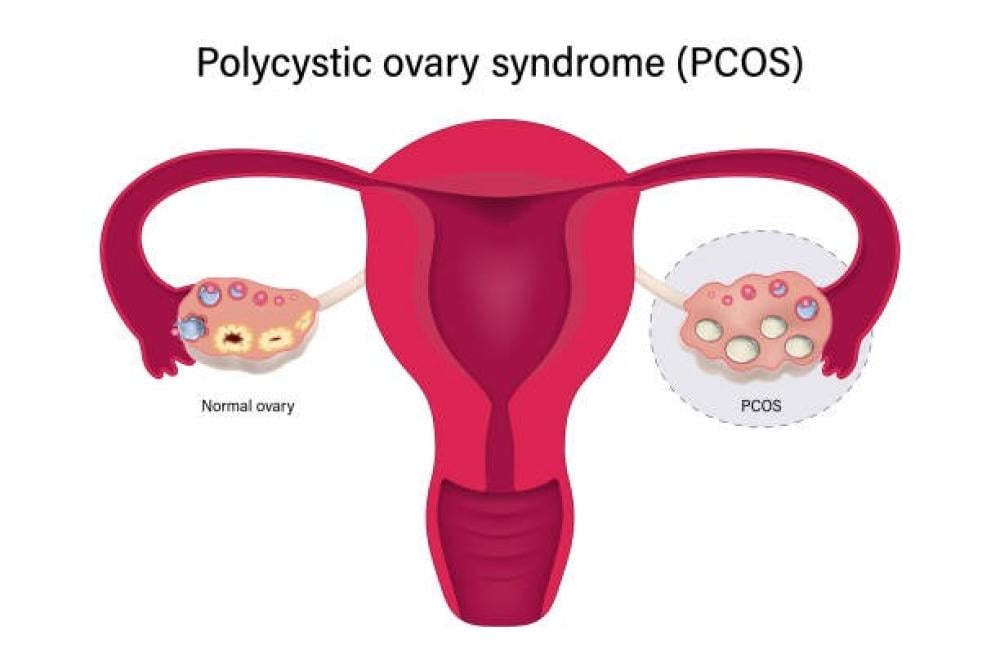
Polycystic ovary syndrome (PCOS) is a common hormonal disorder that affects women of reproductive age. Polycystic ovary syndrome affects many women and causes problems, such as weight gain, irregular menstruation, and hormonal imbalance. Women with PCOS usually have multiple cysts in the ovaries, due to overproduction of a hormone called androgen. Nutrition plays an important role in controlling PCOS symptoms and improving overall health. In this article, we will explore the impact of nutrition on PCOS, basic dietary changes to manage symptoms, the role of nutritional supplements, exercise and the impact of a healthy lifestyle on PCOS in the long term.
The four main factors of PCOS:
- Insulin resistance
- Metabolic and hormonal changes
- High percentage of body fat
- Problems in producing hormones necessary for reproductive health
Nutrition for polycystic ovary syndrome
A balanced diet rich in nutritious foods, lean proteins, healthy fats, and high-fiber foods can help control blood sugar levels and balance hormones in women with PCOS.
Protein:
Protein helps keep blood sugar levels stable, which is important for controlling insulin resistance. Add lean meat, fish, eggs, and plant proteins such as beans and lentils.
Healthy fats and omega-3 sources:
Eating healthy fats such as avocados, nuts, seeds, fatty fish, and olive oil can support hormone production and reduce inflammation in the body, which is beneficial for women with PCOS.
Foods rich in fiber:
Fiber plays an important role in controlling PCOS symptoms by promoting digestion, promoting satiety, and helping to regulate blood sugar levels. Adding high-fiber foods such as fruits, vegetables, legumes, and whole grains to your diet can support gut health and overall health.
Low glycemic index foods:
Eating foods with a low glycemic index can help keep blood sugar levels under control. These foods slowly raise blood sugar, preventing blood sugar levels from rising too high. Examples include sweet potatoes, quinoa, and most fruits and vegetables.
Supplements:
While healthy eating sources should be your main focus, some supplements may help. Such as, inositol and omega-3 fatty acids can support hormonal balance and overall health.
Certain micronutrients, such as magnesium, zinc, and vitamin D, play key roles in controlling the symptoms of PCOS. Eating a variety of nutrient-dense foods in your diet can help ensure that your body's micronutrient needs are met for optimal health. It is essential to consult a physician before adding supplements to your routine to ensure they match your individual needs and health goals.
Herbal Remedies for PCOS:
Nature's Pharmacy is full of goodies that may help relieve PCOS symptoms. Example, peppermint tea for hormonal balance, and cinnamon to regulate blood sugar. As always, talk to your healthcare provider before adding them to your diet.
Exercises for PCOS:
Exercise plays an important role in controlling the symptoms of PCOS. Not only does it help with weight control, it can also improve insulin sensitivity and regulate hormones.
Balancing hormones : Exercise can help balance hormones by increasing endorphins and reducing estrogen and insulin.
Help with weight loss: You can lose weight by doing daily exercises that you like and following a healthy diet.
Reducing the risk of diabetes: Exercise can enhance insulin sensitivity, which can help reduce the risk of diabetes.
Examples of appropriate exercises:
Moderate-intensity cardio: These are exercises that increase your heart's blood pumping, usually around 50 to 70% of your maximum heart rate. It can include walking, biking, dancing, or attending group classes.
HIIT exercises: A study found that women with obesity reported greater enjoyment of HIIT exercises compared to those who participated in continuous moderate-to-high-intensity exercise.
Resistance exercises: This type of training can help you build healthy muscles and bones. Increasing your muscle mass can help you burn more calories at rest, helping you maintain a healthy weight.
By understanding the relationship between PCOS and nutrition and implementing dietary changes, individuals with PCOS can better control symptoms and improve their lifestyle. Remember, small changes in diet and lifestyle can have a big impact on improving PCOS symptoms. With the right approach to nutrition and a holistic outlook on health, those living with PCOS can take action toward achieving balance and vitality.
If you want to lose fat and get rid of ovarian cysts , click here to buy the fat loss system