
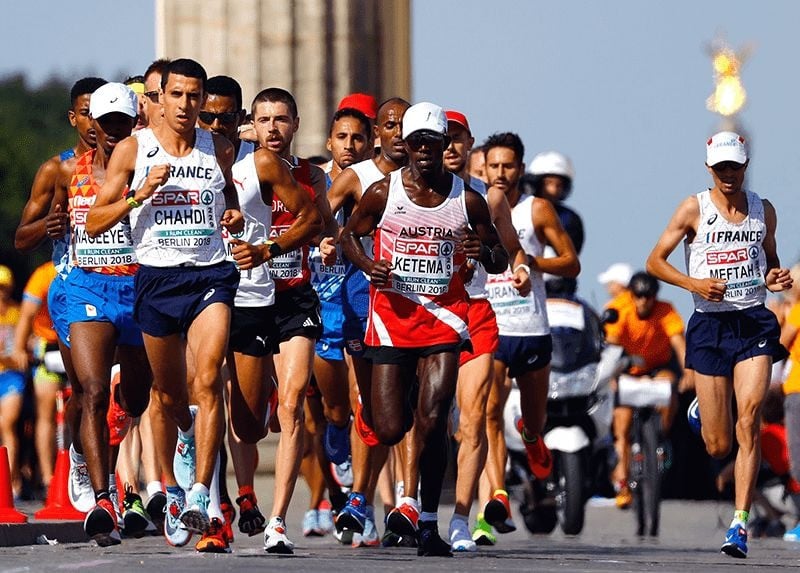
Yes, nutrition training for a marathon is important, just as important as running training. If you're planning to train for a half marathon or full marathon, you may need to make some dietary changes so you're well-prepared to reach your goal, whether that's setting a new personal record or crossing the finish line for the first time. A long-distance runner's diet should be well balanced and include adequate amounts of whole grains, fruits, vegetables, protein, and healthy fats. In this article we will focus on nutritional guidelines for marathons and half marathons.
Why do we need to pay attention to our nutrition before marathons and half marathons?
Long-distance running requires sufficient energy to fuel your body during exercise and post-exercise recovery to prevent fatigue and injuries and improve exercise results. If your diet doesn't provide enough calories, carbohydrates, proteins, or other nutrients necessary to support exercise and recovery, or if it's full of processed, inflammatory foods that don't provide your body with the necessary energy, then your athletic performance will be low. On the other hand, following a proper, supportive half-marathon and marathon diet can help you get the most out of your training by fueling your body and providing all the necessary nutrients to facilitate recovery.
The most important nutrients for runners?
- Carbohydrates:
Carbohydrates are the main source of energy during half-marathon and marathon training, so it is important to add enough to your diet (about 55-60% of calories), or 6-10g of carbohydrates/kg of body weight, 3 days before the marathon. Carbohydrates are stored in the muscles and liver as glycogen. When you run, your body burns glycogen and turns it into easy-to-use glucose (sugar). The longer you run, the more glycogen you burn.
Examples of foods high in carbohydrates:
Starchy plant foods are natural sugars found in fruits and vegetables. Add a range of grains too, preferably whole grains, such as oats, brown or basmati rice, bread and quinoa. Starchy vegetables such as potatoes, sweet potatoes and squash also provide good sources of energy.
Carb-loading:
Carbohydrate loading is a nutritional practice used by endurance athletes before a marathon. It involves eating more carbohydrates than usual in an attempt to avoid fatigue during competition. Carbohydrate loading is the process of maximizing glycogen stores in preparation for long distance runs longer than 90 minutes. You store a lot of carbohydrates in your body, so it makes sense to maximize these stores to prevent fatigue and improve performance.
Start carbohydrate loading three to six days before the marathon.
Carbohydrate loading offers many benefits to endurance athletes, including:
Enhance Endurance: By improving glycogen stores, athletes can sustain high-intensity efforts for longer periods without feeling fatigued.
Energy conservation: Increasing glycogen levels can delay the depletion of energy stores, allowing athletes to perform at their best for an extended period.
Improved Performance: Eating carbohydrates has been shown to enhance overall performance in marathon races, leading to faster race times and better results.
- Protein:
About 15-20% of calories should be from protein for optimal half-marathon and marathon nutrition. Endurance athletes should increase their protein intake to between 1.0-1.6 grams per kg of body weight per day. This is especially important to help your muscles recover from exercise and support your immune system. During running, the muscles are used in a way that produces a high load, and this load causes small micro-tears across the muscle tissue, especially in the legs. Therefore, it is important that you get enough protein so that you can fully recover from your running exercises.
Examples of foods high in protein:
Lean meats such as chicken and turkey.
Fish such as salmon, tuna and mackerel.
Dairy products such as milk, cheese and yogurt.
Beans, peas, lentils, pinto beans, white beans, black beans, kidney beans, soybeans, chickpeas, and edamame.
Nuts and seeds: such as almonds, hazelnuts, walnuts, peanuts, chia seeds, pumpkin seeds, sunflower seeds, and peanut butter.
Eggs: Contain all essential amino acids, making them a complete source of protein.
- water:
Good hydration plays an important role in our daily lives and in our athletic performance. Dehydration can lead to hyponatremia, leading to dizziness, fatigue, and poor athletic performance. Before the race, drink 2-4 liters per day within 48-72 hours before race day. On race morning, drink 500ml 2-3 hours before the race to give yourself plenty of time to eliminate any excess fluids. You should aim to drink 200ml of fluid, either water or sports drinks, per hour starting in the first few miles. Dehydration makes it difficult for your heart to pump blood to working muscles, and it also makes you feel like you're working harder due to its effects on the central nervous system.
- Electrolytes
There is a misconception that runners can stay hydrated with only water. But this is far from the truth. Hydration is not only about replenishing fluids, but also about minerals. When we sweat, we lose not only water, but also important mineral salts. Replacing these salts helps us avoid muscle cramps and fatigue, regulates the heartbeat, and keeps the body well hydrated. As you can imagine, it also helps in achieving optimal performance.
Examples of salts: magnesium, potassium, sodium, calcium, phosphorus, and chloride.
Foods high in sodium:
Pickles, smoked salmon, salted nuts and seeds, salted nut butter, meat, eggs, milk, cheese, yogurt, kelp, seaweed and tomato juice.
Foods high in potassium:
Potatoes, sweet potatoes. Fruits such as bananas, cantaloupes, avocados, oranges and other citrus fruits, apricots, grapefruit, dried apricots and dates. Beans, dairy products such as milk and yogurt, fish such as tuna, salmon, and cod. White and brown rice, coconut water, carrot juice and tomato juice.
Foods high in magnesium:
Dark green leafy vegetables such as spinach, squash and pumpkin seeds, beans, tuna, brown rice, and quinoa, other whole grains, Brazil nuts, almonds, cashews, peanut butter, dark chocolate, avocados and bananas, Greek yogurt and milk.
Foods high in calcium:
Spinach, kale, okra, broccoli, milk, yogurt, cheese, fortified soy milk, sardines, fortified breakfast cereals, and almonds.
Foods high in phosphorus:
Chicken, turkey, fish, tofu, organ meats, sunflower seeds and pumpkin seeds, dairy products such as yogurt, milk, and cheese, beans, lentils, bran cereal, and nuts.
You can also replace salts by drinking sports drinks that contain a percentage of salts.
Post-marathon recovery:
Races or long runs deplete glycogen stores, so eating a full meal/carbohydrate-rich snack immediately after finishing will help promote recovery. You should eat as soon as possible after running. It is best to eat within an hour or half an hour. Your post-workout meal should include 20-25 grams of high-quality protein to aid in muscle recovery. Healthy fats will also help reduce inflammation, and fluids (water) rehydrate and replace lost sweat.
A well-planned marathon diet with the right balance of carbohydrates, protein, and healthy fats is crucial to improving athletic performance and endurance. It reduces inflammation, aids muscle recovery, and enhances your overall performance to achieve your marathon goals. Remember that every runner's needs are different, and it is essential to consult a registered dietitian or sports nutritionist to create a personal diet that works best for you.
You can get free remote nutrition consultations with one of our sports nutritionists and they will provide you with the right guide to help you become a better runner. You can check our services by clicking here